Fire Safety
Burns can be among the most painful injuries—whether from flames, hot liquids, or heat in the home or outdoors. Safe Kids Grand Forks works in partnership with the Grand Forks Fire Department to share messages that help prevent fires and burns.
Smoke alarms
Smoke alarms dramatically reduce the risk of dying in a home fire. If your household needs help obtaining alarms, contact Safe Kids Grand Forks.
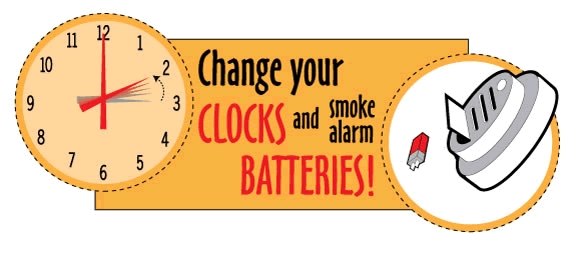
Test batteries monthly and replace them at least twice a year—many families change batteries when clocks change in spring and fall. Use a checklist to stay on track:
October is National Fire Prevention Week
Fire Prevention Week is observed in the United States and Canada during the week in which October 9 falls. It commemorates the Great Chicago Fire of 1871 and has been promoted nationally since the 1920s.
Explore activities, videos, and materials from the National Fire Protection Association: NFPA — Fire Prevention Week.
Fire activity book
Gasoline and fire never mix
Gas fireplace safety
Smoke alarm safety checklist
Get to know smoke alarms (activity sheet)
Smoke alarms at home
Flameless candles
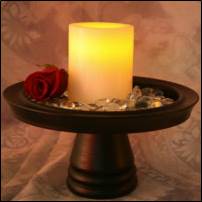
Safe Kids Grand Forks offers flameless candles for sale—real wax, vanilla scent, and a flickering light—useful in homes with young children or pets, near decorations, or on steps at Halloween. Contact us for details.Flameless candle product flyer (PDF)
Fireworks safety tips
Leave fireworks to the professionals
- The safest choice is to skip home fireworks and attend public displays.
- If you use fireworks where legal, follow all local laws.
Be extra careful with sparklers
- Sparklers can exceed 1,200°F. Young children should use glow sticks instead.
- Supervise children closely around any fireworks.
Take precautions
- Do not wear loose clothing when using fireworks.
- Never light fireworks indoors or near dry grass.
- Point fireworks away from homes, brush, leaves, and flammables.
Be prepared for injury
- Stand well back from lit fireworks. If a device fails, do not stand over it—soak it with water and dispose of it.
- Keep water or a fire extinguisher nearby; know how to use the extinguisher.
- For injuries, seek medical care promptly. For eye injuries, do not rub the eye.
Cooking safety tips
- Stay in the kitchen when frying, grilling, or broiling; turn off the stove if you leave.
- Keep children at least three feet from the stove, oven, and hot food or liquids.
- Keep pot handles turned inward so they cannot be pulled down.
- Never hold a child while cooking or carrying hot food or drinks.
- Install and maintain smoke alarms near sleeping areas and on every level of the home.
More cooking safety tip sheets: NFPA safety tip sheets.
Resources
Safe Kids fire and burn prevention materials for families and classrooms:Safe Kids — fire safety basics. NFPA tip sheets also available online.