
Safe Sleep
Placing babies “back to sleep” remains vital for lowering the risk of sudden unexpected infant death. Today’s guidance also emphasizes a simple sleep environment and avoiding risky products and positions.
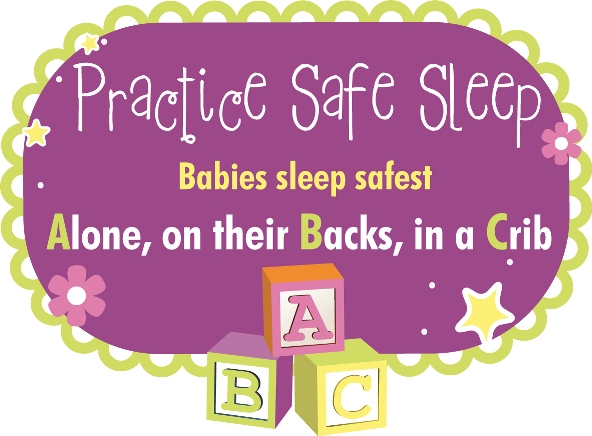
The ABCs of safe sleep
A — Alone: Baby should sleep alone in a crib or approved bassinet, without stuffed animals, bumpers, loose blankets, or pillows. Sleep sacks or wearable blankets can keep baby warm without loose bedding around the face.
B — Back: Always place baby on the back for sleep. Tummy time while awake and supervised supports development.
C — Crib (or approved sleep space): Use a safety-approved crib or play yard with a firm mattress—not an adult bed, couch, recliner, or cushioned surface where suffocation risk is higher. Bed-sharing increases the chance an adult could roll onto the baby or compress the airway.
Swings, seats, and “sleep devices”
Infants under one year should not routinely sleep in swings, infant seats, inclined sleepers, or car seats outside the vehicle. Avoid pillows, wedges, and positioners around the baby.
Car seats are not cribs
In the car, a properly installed rear-facing seat keeps the head supported and the airway open. On the floor or a counter, the same seat can tip the head forward and narrow the airway.When you arrive, move the baby to a safe flat sleep surface.
Brochure, poster, and video
Swaddles and gift-shop items: theAltru Hospital gift shop carries sleep sacks and related items; confirm current hours on Altru’s site.
See also cribs and infant product safety andsafety information.